
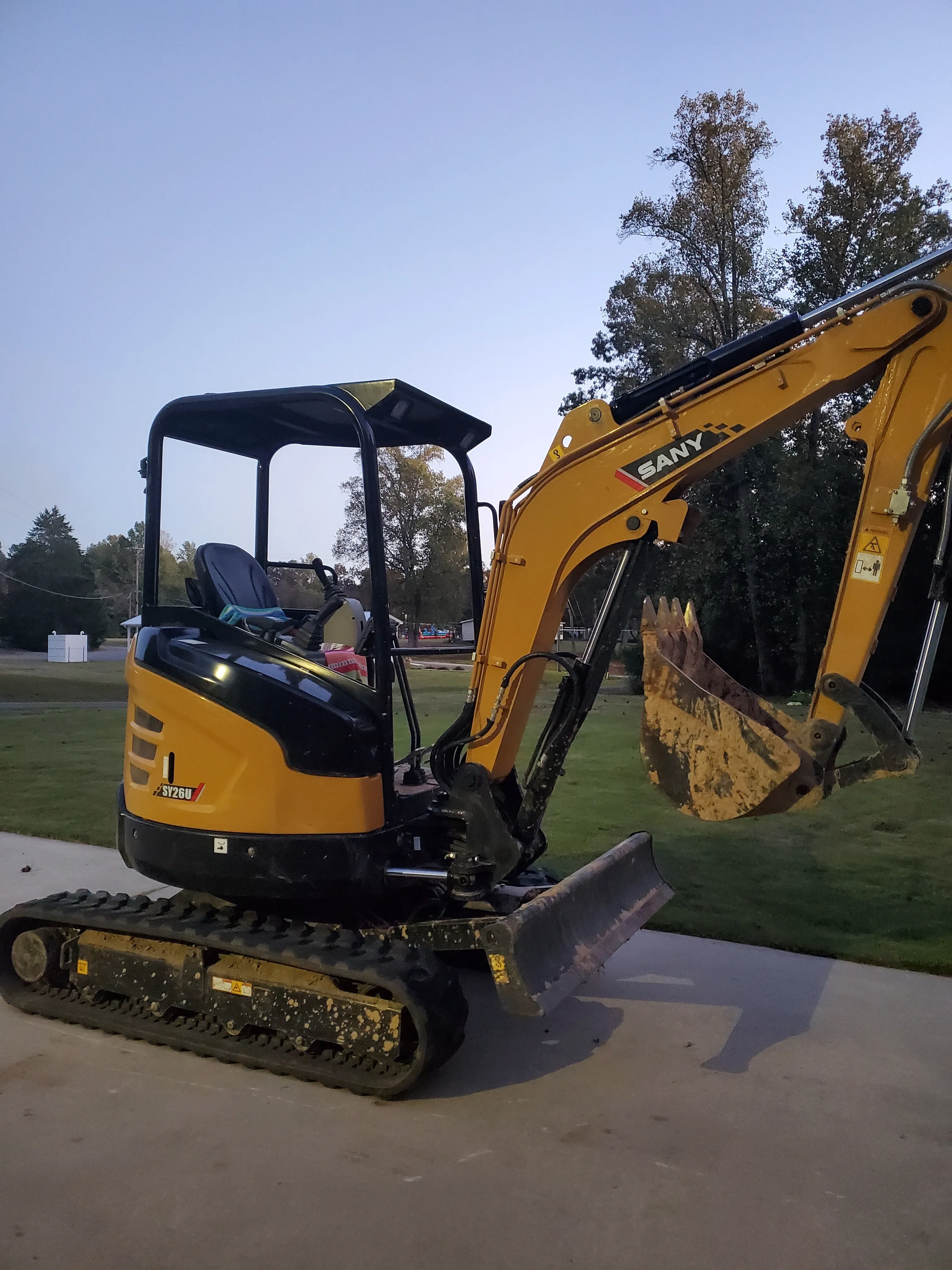
If you're planning a landscaping project, digging a drainage ditch, installing a water line, or clearing space for a new structure, a mini excavator can make the job much easier. These compact machines provide the digging power you need while fitting into spaces where larger excavators may not be practical.
Renting a mini excavator can save you time and money compared to hiring someone to complete the work or purchasing equipment you may only need occasionally.
Before you rent, here are seven important things to consider to help you prepare for your project.
1. Know What You Need the Mini Excavator to Do
Before choosing your rental equipment, think about the specific job you're trying to complete.
Mini excavators are useful for a variety of residential and commercial projects, including:
- Digging trenches for water lines, electrical conduit, and drainage
- Removing tree stumps and roots
- Preparing ground for landscaping
- Digging footings for decks, additions, and other structures
- Clearing brush and small obstacles
- Installing drainage systems
- Excavating for small construction projects
Knowing what you plan to accomplish will help you determine which machine and attachments are best suited for your job.
2. Choose the Right Size Mini Excavator
Not every mini excavator is the same. Different machines offer different digging depths, operating weights, and lifting capabilities.
When choosing a size, consider:
- How deep you need to dig
- How wide the work area is
- Whether you need to work around fences, trees, or existing structures
- The type of soil you'll be digging in
- How much material you need to move
A smaller machine may be ideal for tight residential spaces, while a larger mini excavator may be better suited for deeper digging and more demanding projects.
Choosing the right size before renting can help prevent unnecessary delays and make your project more efficient.
3. Make Sure You Have the Right Attachment
The bucket is one of the most important parts of a mini excavator, but it isn't the only attachment available.
Depending on your project, different attachments can make certain jobs easier.
Some common mini excavator attachments include:
- Digging buckets: Used for general excavation, trenching, and removing soil.
- Thumb attachments: Help grip and move rocks, roots, logs, and other materials.
If you're unsure which attachment you need, explain your project before renting. Choosing the right attachment can make a noticeable difference in how quickly you finish the job.
4. Call 811 Before You Start Digging
One of the most important steps before operating a mini excavator is identifying underground utility lines.
Gas lines, electrical cables, water pipes, and communication lines may be buried in areas where you plan to dig.
In Alabama, you must contact Alabama 811 before excavation work that disturbs the soil. Allow at least two full working days for the required notice period, and verify that utility operators have responded before beginning excavation.
Keep in mind that utility markings show approximate locations, not exact depths. Some privately owned underground lines may also require separate locating.
Never assume an area is safe to dig simply because you don't see any utility markings.
Taking time to have underground utilities identified can help prevent dangerous accidents, expensive repairs, and project delays.
5. Prepare Your Property Before Delivery
A little preparation before your mini excavator arrives can make getting started much easier.
Before delivery, consider the following:
- Clear vehicles, trailers, and other obstacles from the access area.
- Remove loose debris, branches, and materials from the worksite.
- Make sure there is enough room for the equipment to enter and maneuver.
- Identify soft ground, steep slopes, and areas that may not support the machine's weight.
- Make sure gates and access points are wide enough for the equipment.
It's also helpful to have a general plan for where you'll dig and where you'll place the dirt once it's removed.
The more prepared your worksite is, the less time you'll spend figuring things out once your rental arrives.
6. Understand Transportation and Delivery
Mini excavators are smaller than full-size excavators, but they still require appropriate transportation.
If you're planning to pick up your rental, make sure your truck and trailer are properly rated for the combined weight of the equipment and trailer. You'll also need the appropriate tie-down equipment and securement points.
If you don't have the right transportation, equipment delivery may be a more convenient option.
Before scheduling your rental, ask about delivery availability, pickup arrangements, and any transportation requirements.
Having these details worked out ahead of time helps prevent last-minute surprises.
7. Decide How Long You'll Need the Equipment
Another important consideration is how long your project will take.
Some jobs can be completed in a few hours, while others may require several days of excavation and cleanup.
Think about the entire project, not just the digging itself. You'll need time to move dirt, position the machine, work around obstacles, and clean up the area.
Weather conditions and unexpected ground conditions can also affect your timeline.
If you're unsure how long you'll need the equipment, discuss your project and estimated schedule before booking. Choosing an appropriate rental period can help you avoid rushing through the job or paying for equipment longer than necessary.
Rent a Mini Excavator from Elm Equipment
Whether you're tackling a backyard landscaping project, digging drainage trenches, preparing for construction, or completing property improvements, renting a mini excavator can help you get the job done more efficiently.
At Elm Equipment, we help homeowners, property owners, and contractors find equipment for their projects throughout the surrounding North Alabama area.
We offer convenient equipment rental options and delivery to help make your next project easier.
Ready to get started? Contact Elm Equipment to ask about mini excavator availability, rental rates, and delivery options.